
The Growing Need for Vibration Control
In an era where industrial machinery, household appliances and precision equipment are integral to daily life and production, vibration has become a prominent problem. Vibrations cause annoying noise, accelerate equipment wear, reduce operational stability, and even damage surrounding structures. Anti-vibration pads have emerged as a simple, cost-effective solution to these issues.
What Are Anti Vibration Pads?
Anti-vibration pads, also called vibration isolation or dampening pads, absorb, buffer, and isolate vibrational energy. They act as a physical barrier between vibration sources (e.g., motors, pumps, washing machines) and supporting surfaces like floors or foundations. Available in various sizes, shapes, and materials, they are used in industrial, commercial, and residential settings.
Key Materials of Anti-Vibration Pads
The effectiveness of anti-vibration pads lies in their materials. Most are made of high-elasticity, wear-resistant polymeric materials. Common options include natural/synthetic rubbers (for medium-low frequency vibration), polyurethane (oil/chemical resistant), silicone (high-temperature resistant), and rubber-metal composites (for rigidity).
Customization for Different Needs
Pads are customized based on equipment weight and vibration frequency. Heavy industrial machinery needs high-load pads, while precision instruments require low-stiffness, high-damping options. Thickness, hardness, and shape are adjusted to match specific application scenarios.
Core Working Principles: Isolation and Damping
Anti-vibration pads work through two core processes: isolation and damping. Isolation deflects vibrational energy, storing it in the pad and releasing it without transfer. Damping absorbs energy via internal friction, dissipating it as negligible heat. Together, they interrupt vibration transmission.
Avoiding Resonance: A Critical Design Factor
Resonance-when equipment frequency matches the pad-equipment system's natural frequency-amplifies vibration. Engineers design pads to lower the system's natural frequency, keeping it below the equipment's minimum operating speed. Pad stiffness (durometer) determines this adjustment.
Additional Benefits of Anti-Vibration Pads
Beyond vibration control, these pads extend equipment lifespan, lower maintenance costs, and reduce noise. They are easy to install without complex tools, making them versatile for factories, commercial buildings, and homes.
The Future of Anti-Vibration Pads
As technology advances, anti-vibration pads evolve. Materials like viscoelastic polymers offer superior energy absorption and durability. These unassuming pads play a crucial role in maintaining equipment performance and enhancing comfort.
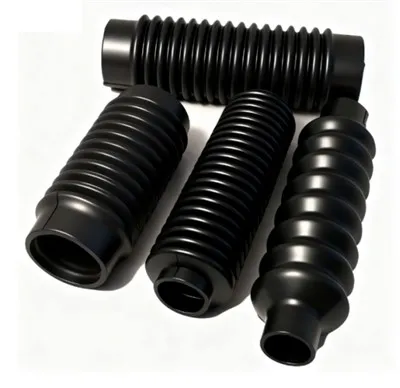
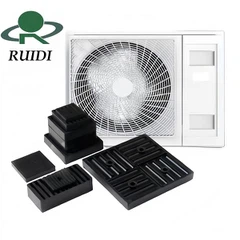
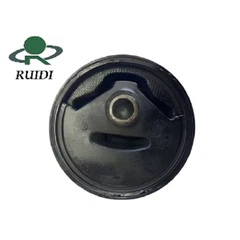
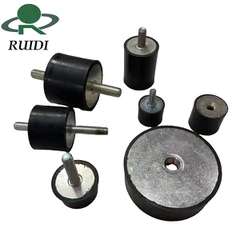
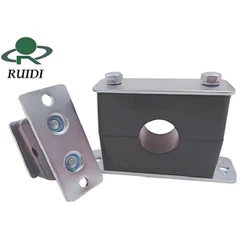
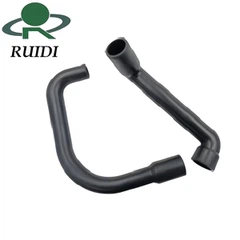
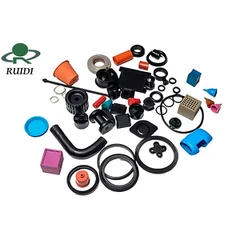
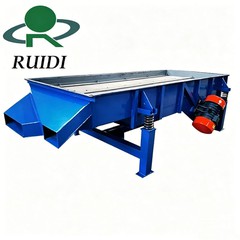
Are you ready to get high-quality and cost-effective Anti-Vibration Pads? This is our Anti-Vibration Pads series OEM/ODM Shock-Absorbing Base Feet