

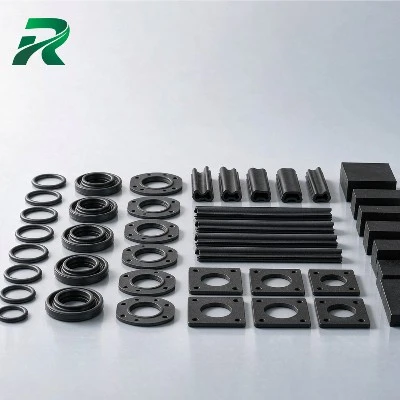
Automotive rubber parts, such as seals, shock absorbers, and drive belts, play a vital role in the entire vehicle system. Their performance directly impacts vehicle safety, comfort, and durability. Therefore, mastering the production and maintenance techniques for rubber parts is of great importance to both the automotive industry and end users.
Key Techniques in the Production Process
Material selection is a crucial step in the production of rubber parts. Different rubber types (such as natural rubber, nitrile rubber, and silicone rubber) have varying resistance to heat, oil, and aging, requiring careful selection based on specific applications. For example, engine compartment rubber parts require high-temperature-resistant silicone rubber, while oil seals are typically made of nitrile rubber for enhanced oil resistance.
Vulcanization is a core step in rubber molding and directly affects the strength and elasticity of the part. Proper control of vulcanization temperature, time, and pressure ensures sufficient cross-linking of the rubber molecular chains, thereby enhancing the product's wear and tear resistance. Furthermore, mold design is crucial. Precise mold structure reduces flash and bubbles, improving product consistency.
Maintenance and Care Strategies
The service life of automotive rubber parts is significantly affected by environmental factors. For example, prolonged exposure to UV rays, ozone, or extreme temperatures can easily lead to hardening, cracking, and even failure. Therefore, regular inspection and replacement of aged rubber parts (such as seals and drive belts) is essential maintenance.
During daily use, avoid contact with detergents containing mineral oil on rubber parts to prevent swelling and corrosion. For vehicles parked for extended periods, it is recommended to cover rubber parts or apply a special protective agent to slow aging. Proper installation also affects the lifespan of rubber parts. Overtightening or loosening can lead to excessive wear or seal failure.
Optimizing the performance of automotive rubber parts requires scientific production processes and standardized maintenance. Through appropriate material selection, precise vulcanization control, and regular maintenance, the reliability of rubber parts can be significantly improved, extending the overall service life of the vehicle, thereby ensuring driving safety and stable performance.


