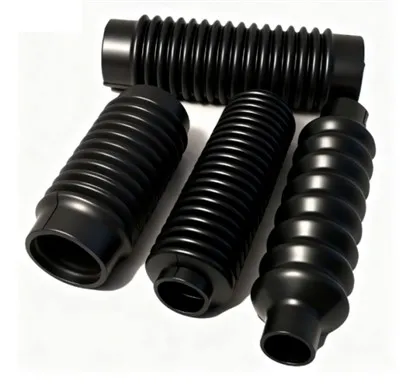
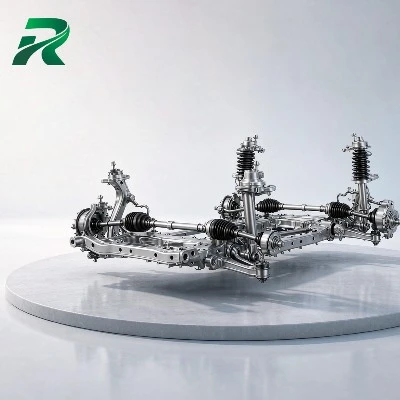
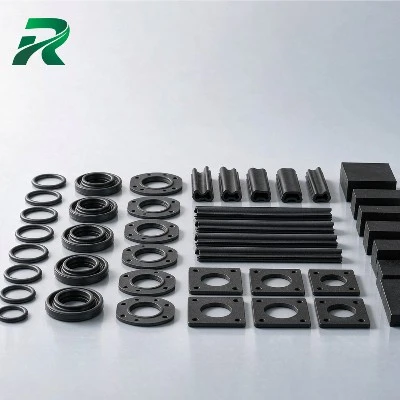
As the only part of a vehicle that comes into contact with the road, automotive rubber tires are of undeniable importance. They are not only the foundation of vehicle operation but also a key factor in ensuring driving safety and enhancing the driving experience. From daily commuting to long-distance transport, from urban roads to rugged terrain, tire performance directly impacts vehicle handling, stability, and durability.
Firstly, tires are the core guarantee of vehicle safety. During driving, tires bear the immense pressures of the vehicle's weight, acceleration, braking, and steering. High-quality rubber tires provide sufficient grip, ensuring vehicle stability on wet, muddy, icy, and snowy roads, effectively preventing skidding and loss of control. According to statistics, approximately 40% of traffic accidents worldwide are related to tire problems, such as underinflation, excessive wear, or rubber deterioration. These problems can lead to blowouts or brake failure, endangering the lives of drivers and passengers. Therefore, regularly checking tire condition to ensure they are in good condition is essential for every driver.
Secondly, tires directly impact vehicle handling and the driving experience. High-performance tires utilize advanced rubber compounds and tread designs, providing precise steering feedback and stable driving performance under diverse road conditions. For example, sports tires typically feature harder rubber and denser tread patterns to enhance grip at high speeds, while off-road tires utilize deeper tread patterns and softer rubber to handle complex terrain. Furthermore, a tire's comfort is closely related to its rubber material and structure. High-quality tires effectively absorb road bumps and enhance ride comfort.
Furthermore, tire wear resistance and durability directly impact a vehicle's economy. High-performance rubber tires typically have a longer service life, reducing the cost of frequent replacements. Proper tire pressure and proper use can also extend tire life and reduce fuel consumption. Research shows that underinflated tires increase rolling resistance, leading to higher fuel consumption. Regular tire balancing and alignment ensure even tire wear and improve economy.
In short, automotive rubber tires are not only an essential component of a vehicle but also a key factor in ensuring driving safety, enhancing the driving experience, and optimizing economy. Whether drivers or car owners, they should fully understand the importance of tires, maintain them regularly and choose high-quality tires that suit their needs to ensure that every trip is safe, comfortable and efficient.