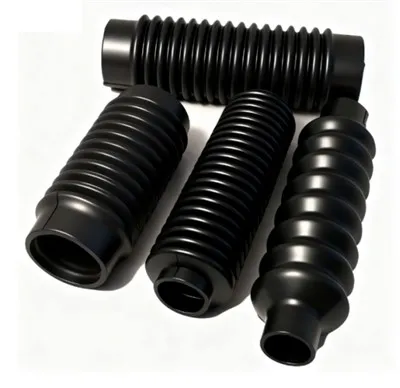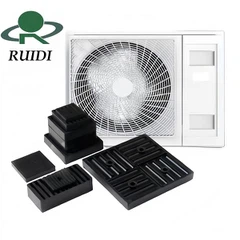
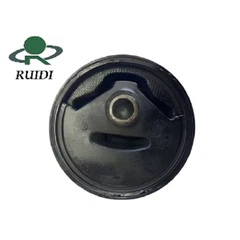
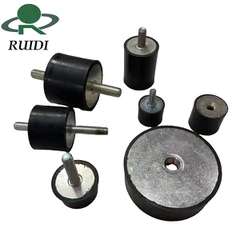
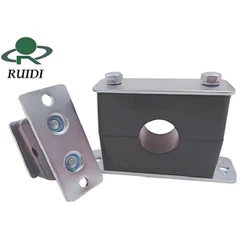
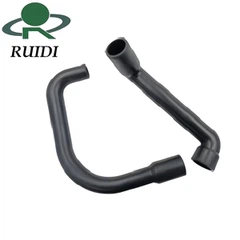
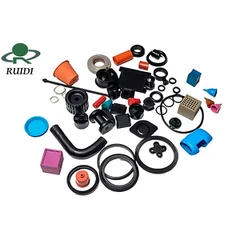
Industrial seals are critical components in mechanical systems that prevent fluid or gas leakage. Their performance directly impacts the reliability, safety, and service life of the equipment.The selection of seal materials requires a comprehensive consideration of factors such as the operating environment, media type, pressure and temperature range, and cost. Currently, the main materials used for industrial seals include rubber, polytetrafluoroethylene (PTFE), metal, polyurethane, and composite materials, each with unique advantages and applications.
Rubber Seal Materials
Rubber is one of the most widely used sealing materials. Due to its excellent elasticity, wear resistance, and corrosion resistance, it is widely used in both static and dynamic sealing applications. Common rubber seal materials include nitrile rubber (NBR), fluororubber (FKM), ethylene propylene rubber (EPDM), and silicone rubber (VMQ).
•Nitrile rubber (NBR) offers excellent oil and wear resistance and is suitable for use with petroleum-based hydraulic fluids and lubricating oils in moderate temperature environments (-40°C to 120°C). It is widely used in automobiles, construction machinery, and hydraulic systems.
•Fluorocarbon rubber (FKM) offers high-temperature and chemical resistance, allowing long-term use in temperatures ranging from -20°C to 250°C. It also resists a wide range of acids, bases, and organic solvents, making it suitable for aerospace, chemical, and high-temperature oil seals.
•Ethylene propylene diene rubber (EPDM) offers excellent resistance to water, steam, and alkaline media, but is not oil-resistant. It is commonly used in automotive cooling systems and building seals.
•Silicone rubber (VMQ) offers high and low-temperature resistance (-60°C to 250°C), but has lower mechanical strength. It is suitable for food, medical, and high-temperature static seals.
Polytetrafluoroethylene (PTFE)
Polytetrafluoroethylene (PTFE) is the material of choice for high-end sealing applications due to its extremely low coefficient of friction, excellent chemical inertness, and wide temperature range (-200°C to 260°C). PTFE seals are commonly used in environments with strong acids, bases, organic solvents, and high temperatures, such as chemical reactors, semiconductor equipment, and the nuclear industry. In addition, filling and modifying PTFE (such as adding glass fiber, carbon fiber, or bronze powder) can further enhance its wear resistance and pressure resistance, making it suitable for dynamic sealing applications.
Metal Seal Materials
Metal seals are primarily used in extreme operating conditions, such as high temperature, high pressure, or highly corrosive environments. Common metal seal materials include stainless steel, nickel-based alloys (such as Inconel), titanium alloys, and copper alloys.
•Stainless steel seals offer excellent corrosion resistance and strength, making them suitable for petrochemical, nuclear power, and high-pressure valve sealing applications.
•Nickel-based alloys such as Inconel and Hastelloy can withstand extreme corrosion and high temperatures (up to 1000°C) and are commonly used in extreme environments in aerospace and the chemical industry.
•Soft metal seals (such as lead, silver, and copper) are commonly used for gasket sealing, relying on plastic deformation to achieve a tight fit. They are suitable for high-pressure boilers and pipeline flange connections.
Polyurethane (PU) Seal Materials
Polyurethane seals combine high wear resistance, high strength, and good elasticity, making them suitable for medium- to high-pressure dynamic sealing applications, such as hydraulic and pneumatic cylinders and wear-resistant bushings. Polyurethane seals perform excellently in mineral oils, hydraulic fluids, and aqueous media, but are susceptible to aging at high temperatures (>80°C) or in highly oxidizing environments. Therefore, the appropriate polyurethane type (such as polyester or polyether) must be selected based on the specific operating conditions.
Composite Materials and Engineering Plastics
In addition to single-material seals, industrial seals often utilize composite materials to optimize performance, such as rubber-metal composite seals and PTFE-carbon fiber reinforced seals. Furthermore, engineering plastics such as polyimide (PI) and polyetheretherketone (PEEK) are also used in specialized applications. PEEK offers excellent high-temperature resistance (up to 260°C), chemical resistance, and mechanical strength, making it suitable for semiconductor and high-end mechanical seals.
The material selection for industrial seals must be based on specific application requirements, such as temperature resistance, chemical resistance, pressure tolerance, and dynamic/static sealing requirements. Rubber materials are suitable for general applications, PTFE and metal materials are used in extreme environments, and polyurethane and composite materials can meet high-performance sealing needs. In the future, with the advancement of materials science, new sealing materials will further expand the application boundaries of industrial sealing technology and improve the reliability and efficiency of equipment operation.