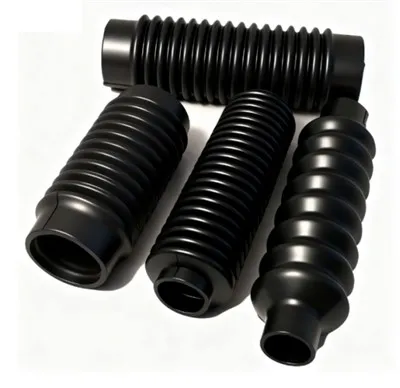
As core components for fluid transmission and pressure control, industrial hoses play an irreplaceable role in manufacturing, energy, construction, and agriculture. Their excellent pressure resistance, corrosion resistance, and flexibility make them a crucial link between equipment and piping systems.With the acceleration of global industrialization, demand for industrial hoses continues to grow, particularly for high-pressure transmission, chemical media transfer, and operations in extreme environments.
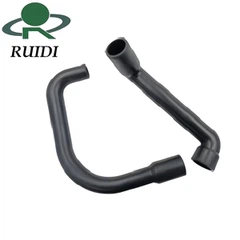
From a material perspective, industrial hoses typically utilize rubber, polyurethane, polytetrafluoroethylene (PTFE), or metal braid reinforcement to ensure stability in high temperatures, high pressures, and corrosive media. For example, hydraulic hoses are widely used in construction machinery and heavy equipment, requiring them to withstand pressures of hundreds or even thousands of bar. Food-grade hoses, made of materials that meet international hygiene standards, are used in the pharmaceutical and food processing industries to ensure contamination-free transmission. Furthermore, high-temperature hoses excel in metallurgy and high-temperature steam transmission, while oil-resistant hoses are essential in the automotive and aviation sectors.
In international trade, export demand for industrial hoses is diversifying. Infrastructure development in Southeast Asia, the Middle East, and Latin America is driving demand for wear-resistant and age-resistant hoses, while the European and American markets place greater emphasis on environmental and safety certifications, such as FDA, REACH, and ISO standards. Foreign trade companies must closely monitor regulatory requirements in target markets to ensure their products comply with local industry standards, such as the US SAE standard or the European EN standard. Furthermore, customized services are becoming key to competitive advantage, such as tailoring hose formulations to specific media or temperature ranges to meet specific customer needs.
In the future, the development of industrial hoses will focus on lightweighting, intelligent design, and sustainability. The use of new composite materials is expected to enhance hose durability and resistance to extreme environments, while the integration of IoT technology may enable real-time monitoring of hose status, reducing the risk of industrial accidents. For foreign trade practitioners, a deep understanding of industry trends and technological innovations will help them seize market opportunities and further enhance the value of industrial hoses in the global supply chain.