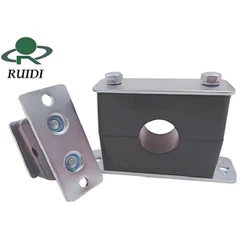
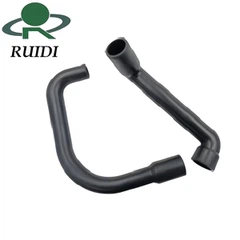
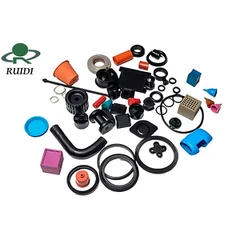
As crucial components in mechanical equipment, industrial seals fulfill core functions, preventing fluid leakage, maintaining system pressure, and protecting against external contaminants.The stability of their performance directly impacts equipment efficiency, energy consumption, and overall safety. However, many companies often neglect the daily care of seals, leading to premature failure or system malfunction. This article systematically explains the key points of daily maintenance for industrial seals, helping users extend their service life and ensure production continuity through scientific management.
Regular Inspection: The Key Method for Early Identification of Risks
Seal failure often begins with subtle damage such as microscopic cracks, hardening, or deformation. Operators are advised to focus on the following during daily inspections:
1. Appearance: Observe the sealing surfaces for scratches, wear, or signs of chemical corrosion, especially for rubber seals that show signs of swelling, softening, or cracking.
2. Leakage: Inspect connections for oil, water, or other seepage. Minor leaks can quickly escalate into systemic failures.
3. Installation Position Misalignment: Verify whether the seal has shifted due to vibration or thermal expansion and contraction. Such issues can cause localized stress concentrations and accelerate damage.
For seals in high-pressure, high-temperature, or corrosive environments, inspections should be shortened to once per shift, and tools such as infrared thermometers or ultrasonic detectors should be used for in-depth diagnostics.
Cleaning and Contamination Control: A Fundamental Step in Preventive Maintenance
Particulate matter, chemical vapors, or residual moisture commonly found in industrial environments can significantly reduce the durability of seals. Daily cleaning should adhere to the following principles:
• Media compatibility: Use a neutral detergent compatible with the sealing material (for example, silicone-based lubricants are harmless to fluororubber seals). Avoid direct contact with gasoline, strong acids, or alkaline solutions.
• Tool selection: Use a soft-bristled brush or non-woven cloth for cleaning. Avoid scratching the sealing surface with hard tools such as steel wool.
• Environmental management: Install protective covers in dusty areas and regularly clean oil and metal debris around the equipment to fundamentally reduce the contamination load on the seals.
Special note: Hydraulic system seals must be thoroughly dried after cleaning. Residual liquid may cause material swelling or microbial growth.
Lubrication and Maintenance: Key Technical Points for Improving Dynamic Sealing Effectiveness
For dynamic sealing structures such as rotating shaft seals and reciprocating seals, proper lubrication can reduce frictional losses and distribute stress:
1. Lubricant Selection: Select a specialized grease based on the seal material (for example, perfluoropolyether oil is recommended for PTFE seals) to avoid swelling of nitrile rubber caused by mineral oil.
2. Dosage Control: The lubricant should cover approximately one-third of the seal contact surface. Excessive grease may attract dust and form abrasive particles.
3. Periodic Replenishment: Replenish lubricant at the intervals specified in the equipment manual, with more frequent lubrication required for high-temperature operating conditions.
It is important to note that static seals (such as O-rings) generally do not require additional lubrication, and improper application may introduce impurities.
Operating Condition Adaptation and Emergency Response
Different industrial scenarios place varying demands on seals:
•High-temperature environments (>150°C): Graphite, spiral wound gaskets, and other heat-resistant materials are preferred, with cooling jackets installed where necessary.
•Severely corrosive environments: Polyetheretherketone (PEEK) or ceramic-coated seals are used, and a system for monitoring media composition is established.
•Sudden leak response: Immediately shut down the machine, isolate the faulty area, and temporarily use sealing adhesive or mechanical clamps to mitigate the risk. However, damaged seals must be replaced within 24 hours.
Daily care for industrial seals is more than a simple routine; it is a systematic process that integrates materials science, mechanical engineering, and preventive maintenance strategies. Through standardized inspection procedures, precise contamination prevention and control, and appropriate maintenance measures, companies can extend the average seal life by 30%-50% while reducing unplanned downtime losses by over 30%. Only by integrating detailed management throughout the entire equipment lifecycle can the optimal balance between production efficiency and operating costs be achieved.