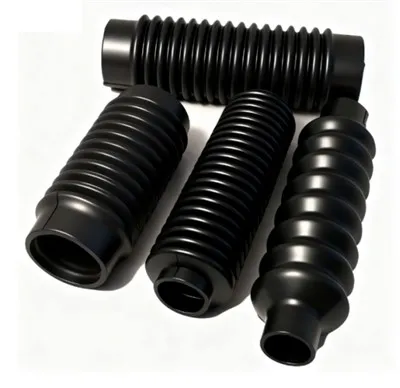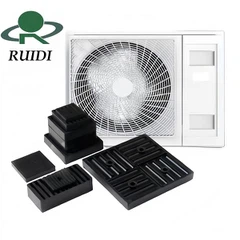
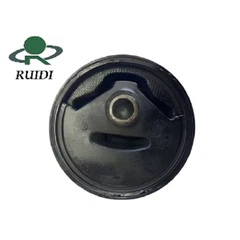
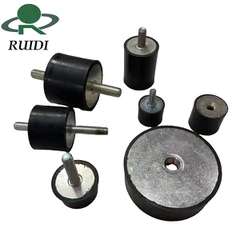
As a core component of modern buildings and industrial environments, air conditioning systems rely heavily on the quality of their various components for performance, stability, and service life. Rubber accessories, with their unique material properties, play an irreplaceable role. These products are widely used in key areas such as sealing, vibration damping, and thermal insulation, directly impacting the energy efficiency and operational reliability of air conditioning systems.
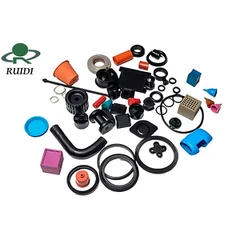
From a technical perspective, rubber accessories for air conditioning systems are typically made from specialized rubber materials that are resistant to high temperatures and aging, such as EPDM, silicone rubber, or fluororubber. These materials maintain elasticity over a wide temperature range, adapting to the deformation requirements of refrigerant high pressure environments. They also possess excellent oil resistance, ozone resistance, and chemical stability. For example, sealing rings, with their precise dimensional tolerances and high resilience, effectively prevent refrigerant leaks and ensure system pressure balance. Shock absorbers, on the other hand, utilize the rubber's damping properties to reduce vibration transmission between the compressor and piping, reducing noise and extending equipment life.
At the application level, the selection of rubber accessories must be closely matched to the operating conditions of the air conditioning system. Commercial central air conditioners typically require components to withstand the thermal cycling impact of frequent starts and stops, while residential split-type air conditioners place greater emphasis on seal durability during long-term use. In recent years, with the increasing popularity of environmentally friendly refrigerants, new rubber materials have been optimized through formulations to further enhance compatibility with refrigerants such as R32 and R290, reducing the risk of failure due to material corrosion. Furthermore, some high-end products utilize surface coatings or composite structural designs to enhance wear and tear resistance while maintaining flexibility.
It is worth noting that differences in the quality of rubber components can directly impact the energy efficiency of air conditioning systems. Inferior components can cause seal failure due to permanent compression set, increasing energy consumption and potentially posing a safety hazard due to refrigerant leakage. Consequently, industry standards for durability testing of rubber components are becoming increasingly stringent, including extreme temperature cycling tests from -40°C to 150°C and fatigue compression tests (10,000 cycles) to ensure continued reliability in complex environments. In the future, as air-conditioning systems develop towards intelligence and efficiency, rubber accessories will further move towards functional integration and lightweight materials, and continue to provide key support for the stable operation of air-conditioning systems through technological innovation.