

As critical components of mechanical equipment, industrial seals' performance directly impacts the equipment's operating efficiency, safety, and service life. A reasonable maintenance cycle not only extends seal life but also effectively prevents failures such as leakage and wear, thereby reducing maintenance costs. This article will explore the principles and practical methods for establishing industrial seal maintenance cycles.
Factors Influencing Seal Maintenance Cycles
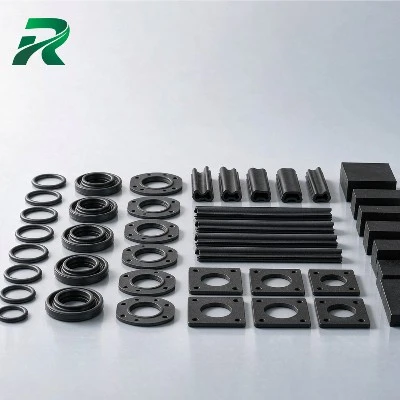
Seal maintenance cycles are not fixed but are influenced by a variety of factors, including the seal material (e.g., rubber, PTFE, metal), the operating environment (temperature, pressure, media corrosiveness), the equipment's operating conditions (speed, vibration frequency), and the seal type (static or dynamic). For example, rubber seals are prone to aging in high temperatures or oily media, requiring shorter maintenance cycles; metal seals, on the other hand, may wear more quickly in corrosive environments, requiring more frequent inspections.
Methods for Scientifically Establishing Maintenance Cycles
1.Manufacturer Recommendations: First, refer to the maintenance guide provided by the seal supplier, which typically includes recommended replacement intervals and inspection criteria.
2.Operating Condition Assessment: Adjust the maintenance cycle based on the equipment's actual operating conditions. For example, seals operating under high-pressure, high-speed conditions may require inspection every 3-6 months, while seals operating under low-pressure, low-speed conditions can require inspections every 6-12 months.
3.Condition Monitoring: Regularly inspect seals for wear, leakage, deformation, or hardening to dynamically adjust maintenance schedules. If minor wear is detected, early intervention can be initiated; if the condition is good, the interval can be appropriately extended.
Practical Maintenance Measures
During the maintenance interval, the following measures should be taken to ensure stable seal performance:
•Cleaning and Lubrication: Regularly clean the sealing surface to prevent wear caused by impurities. For seals requiring lubrication, relubricate according to regulations.
•Tightening Inspection: Ensure that the bolts or glands at the seal installation are not loose to prevent vibration-induced seal failure.
•Replacement Standard: If a seal exhibits cracks, loss of elasticity, or excessive leakage, it should be replaced immediately, even if the theoretical interval has not expired.
The maintenance interval for industrial seals must be flexibly adjusted based on theoretical guidance and actual operating conditions. Through scientific monitoring and management, an optimal balance between equipment reliability and maintenance costs can be achieved. Enterprises should establish a systematic seal maintenance file, record the data of each inspection and replacement, and gradually optimize the maintenance strategy to ensure production safety and efficiency.


