

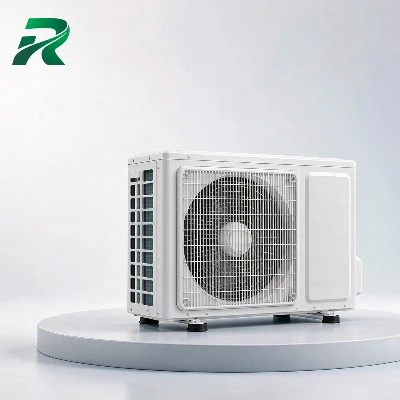
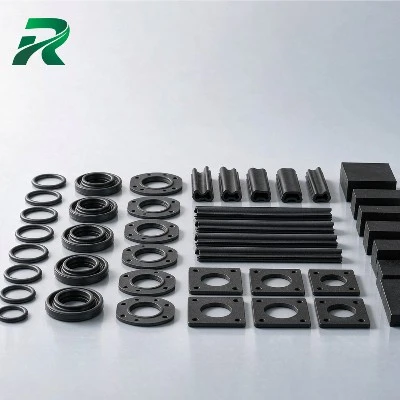
As indispensable environmental conditioning equipment in modern buildings and transportation, air conditioning systems rely heavily on the coordinated operation of their various components for stability and reliability.Rubber accessories, while seemingly insignificant, play a vital role in critical functions such as sealing, vibration damping, and thermal insulation. This article will explore the core performance characteristics of rubber accessories for air conditioning systems from the perspectives of material properties, functional requirements, and performance optimization.
Material Properties and Durability
Rubber accessories for air conditioning systems are typically made from synthetic or specialty rubber materials, such as ethylene propylene diene monomer (EPDM), nitrile butadiene rubber (NBR), and silicone rubber. These materials offer excellent resistance to high and low temperatures, ozone aging, and good elastic recovery. For example, EPDM maintains stable physical properties over a temperature range of -40°C to 150°C, making it suitable for refrigerant pipe seals in air conditioning systems. Nitrile butadiene rubber, due to its excellent oil and wear resistance, is often used in the high-friction environments surrounding compressors.
Furthermore, the aging resistance of rubber accessories directly impacts their service life. During long-term operation, rubber components in air conditioning systems may be exposed to UV radiation, ozone, and chemical media. Therefore, they must be resistant to UV radiation and chemical corrosion. Adding additives such as antioxidants and anti-aging agents can significantly improve the durability of rubber materials, ensuring long-term stable performance even under harsh operating conditions.
Functional Requirements and Performance
The main functions of rubber components in air conditioning systems include sealing, vibration reduction, and thermal insulation. These functions require different material properties.
1. Sealing Performance
Seals are critical components in air conditioning systems to prevent refrigerant leakage, and their performance directly impacts the system's energy efficiency and safety. High-quality rubber seals must exhibit low compression set, meaning they maintain good resilience even under long-term compression, ensuring a tight seal. Furthermore, the sealing material must be compatible with refrigerants (such as R134a and R410A) to avoid leakage risks caused by material swelling or corrosion.
2. Vibration Damping Performance
Moving components in air conditioning systems, such as compressors and fans, generate vibration. If not effectively isolated, this can lead to increased noise and even structural fatigue. Rubber shock absorbers or isolators, with their high elastic modulus and damping properties, effectively absorb mechanical vibration and reduce noise transmission. Nitrile rubber and natural rubber are often used in these applications due to their excellent damping properties.
3. Thermal Insulation
Some rubber accessories, such as insulation jackets for air conditioning pipes, require a certain level of thermal insulation to reduce cooling loss and prevent condensation on the pipe surface. Silicone rubber, due to its low thermal conductivity and excellent weather resistance, is often used as a thermal insulation material, while also providing additional electrical insulation protection.
Performance Optimization and Future Development Trends
To further enhance the performance of rubber accessories for air conditioning systems, the fields of materials science and engineering are constantly exploring new rubber formulations and manufacturing processes. For example, nanocomposite technology is being used to enhance the mechanical strength and thermal stability of rubber, or environmentally friendly fluorine-free rubber is being used to meet sustainable development requirements. Furthermore, with the increasing popularity of new energy vehicles and smart homes, there are increasing demands for lightweight and intelligent rubber accessories (such as self-healing materials).
In summary, the performance of rubber accessories for air conditioning systems not only affects the operating efficiency and reliability of the system but also directly impacts user experience and energy consumption. By continuously optimizing material selection and structural design, rubber accessories will play a more important role in the future development of air-conditioning technology.


