

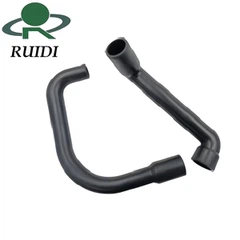
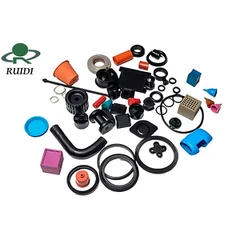
As indispensable connection and transmission components in modern industry, industrial hoses occupy a significant position in the global market due to their excellent performance and wide range of applications. With the continuous advancement of industrial technology, the technical characteristics of industrial hoses are continuously optimized to meet the high pressure resistance, corrosion resistance, flexibility, and durability requirements of various industries.
From a materials science perspective, modern industrial hoses typically adopt a multi-layer composite structure. The inner layer directly contacts the conveying medium and therefore requires excellent chemical resistance to ensure long-term use without aging or damage. The middle layer is typically a reinforcement layer, braided or wound with steel wire, significantly enhancing the hose's pressure resistance, enabling it to withstand the impact of high-pressure fluids without deformation or rupture. The outer layer focuses on wear resistance, weather resistance, and UV resistance to withstand outdoor and harsh working conditions. This layered design not only enhances the hose's overall strength, but also extends its service life and reduces maintenance costs for enterprises.
In terms of application, industrial hoses are widely used in industries such as petrochemicals, construction machinery, automotive manufacturing, agricultural irrigation, and food and pharmaceuticals. For example, in high-pressure fluid transportation, hoses must possess extremely high burst pressure and pulse performance. In the food and pharmaceutical industries, hoses must meet strict hygiene standards to ensure they are pollution-free and non-toxic. Therefore, the production process for industrial hoses must be precisely controlled to meet the specific needs of different industries.
From the perspective of the international trade market, technological upgrades in industrial hoses directly impact their international competitiveness. As global manufacturing shifts toward high precision and high reliability, buyers are increasingly demanding hose performance indicators, certification standards, and environmental requirements. Hoses with specialized properties such as high- and low-temperature resistance and anti-static properties are increasingly favored in the international market. Furthermore, the trend toward lightweight and flexible designs is expanding the application of hoses in confined spaces or complex mechanical structures.
In short, the technical characteristics of industrial hoses determine their critical role in industrial production and international trade. Companies seeking to gain a foothold in the international market must continuously optimize product performance, adhere to industry standards, and provide customized solutions to meet the diverse needs of global customers.
Technical Characteristics of Industrial Hose and Their Importance in the International Trade Market
Popular Products

OEM Quality Light Truck Cab Front&rear Suspension Assembly
For commercial and vocational light trucks, our OEM Quality Light Truck Cab Front & Rear Suspension Assembly is
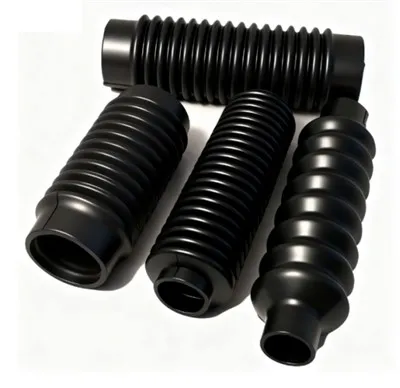
Tube Damping Sleeve
1. Ozone and Chemical resistance. 2. Anti-aging, good flexibility, good elasticity. 3. Excellent oil resistance. 4.

Vent Car Air Outlet
Upgrade your vehicle's interior and restore full climate control functionality with the Ruidi Car Air Vent Outlet.

Air Outlet For Automobiles
Upgrade your vehicle's interior climate control with the Ruidi Automotive Air Outlet. Designed to meet or exceed OEM

Rubber Pipe Clips ForHeat Pump Pipe Line Fixing
Non-Slip Rubber Pipe Clips are specially designed for securing pipelines of air conditioning and heat pump systems,

HVAC Sealing Putty For AC Indoor Unit Installation
This Butyl Damping Sheet is a premium sound insulation solution designed to block airborne noise and dampen vibrations