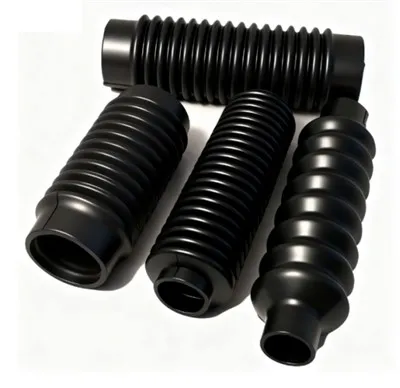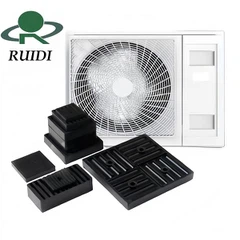
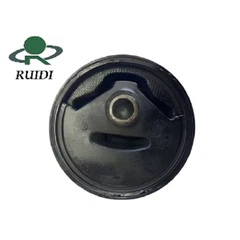
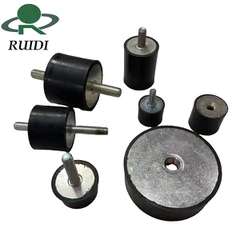
As a critical industrial material, rubber profiles require special attention to environmental conditions during transportation and storage to ensure their performance is not affected. Proper storage not only extends the lifespan of rubber profiles but also ensures they maintain optimal physical properties during use.
First, rubber profiles should be stored in an environment with appropriate temperatures. The ideal storage temperature range is 10°C to 25°C. Avoid prolonged exposure to high or low temperatures. High temperatures can accelerate rubber aging, softening, or even deformation, while low temperatures can cause it to harden and lose its elasticity. Therefore, warehouses should be away from heat sources such as boilers and windows exposed to direct sunlight. Avoid storing rubber profiles in cold, open areas.
Second, humidity control is equally critical. Rubber profiles are sensitive to moisture. Prolonged exposure to moisture can cause mold, swelling, or chemical degradation. The recommended relative humidity for storage is between 50% and 70%, avoiding direct contact with water or high-humidity air. If the warehouse humidity is high, consider using dehumidification equipment or sealed packaging to protect the rubber profiles. Furthermore, rubber profiles should be kept away from chemicals such as oils, solvents, acids, and alkalis, as these may cause the rubber to swell, soften, or corrode. During storage, ensure the surrounding environment is clean and away from chemical storage areas. Rubber profiles should also be kept away from prolonged exposure to high ozone concentrations, as ozone can accelerate rubber aging and cause surface cracks.
When stacking and placing rubber profiles, they should be stored flat or vertically, avoiding excessive squeezing or bending that could affect their shape and performance. If stacking is necessary, ensure adequate support at the bottom to prevent deformation. For long-term storage of rubber profiles, it is recommended to regularly inspect their condition to ensure they are free of moisture, aging, or mechanical damage.
Finally, the packaging of rubber profiles should remain intact, and unused portions should be kept sealed as much as possible to minimize exposure to air. If the original packaging is damaged, repackaging with moisture- and oil-resistant alternative materials can be used.
Through effective storage management, the performance of rubber profiles can be effectively guaranteed, thus meeting the high-quality demands of foreign trade customers. Proper storage management not only reduces waste but also enhances the product's market competitiveness.