Key criterion 1: In-depth study of materials and structure - build a solid foundation for safety
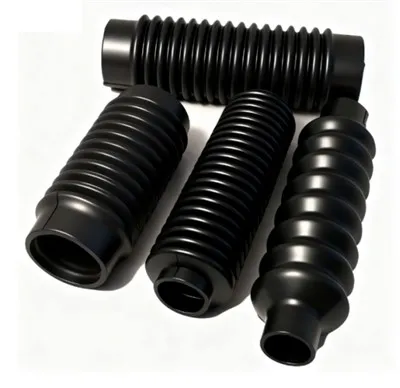
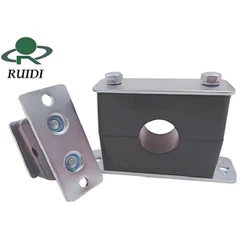
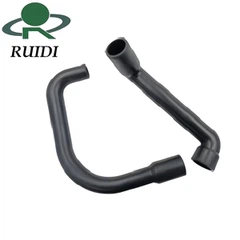
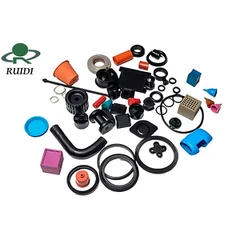
Depending on the medium and environment, neoprene (CR), nitrile butadiene rubber (NBR), ethylene propylene propylene diene diesel (EPDM) or fluoroelastomer (FKM) are selected. For example, NBR is preferred for oil-resistant environments, EPDM is a candidate for outdoor resistance, and FKM is considered for harsh chemically resistant environments.
Attention should be paid to the hardness of rubber (Shore A), tensile strength, compression set rate and temperature resistance range. High-quality rubber should have both moderate elasticity and durability, and is not prone to plastic deformation under long-term pressure.
Key criterion 2: Review performance and certification - quantify reliability indicators

1. Core performance parameters
(1) Load capacity: Clarify the static bearing capacity and dynamic vibration resistance of the pipe clamp, and meet the pipeline's own weight, medium weight, and possible water hammer and vibration loads.
(2) Applicable temperature and pressure range: The continuous working temperature range and maximum pressure indicated by the product must completely cover the actual working conditions of the pipeline system and leave a safety margin.
2. Authoritative certifications and standards
Products should meet or exceed ISO 9001 quality management system and the relevant technical standards for pipe clamps and shock absorbers in ASTM, BS, DIN or GB (national standard).
Key criterion 3: Evaluate installation and adaptation – ensure system compatibility
1. Ductwork adaptability
Accurate dimensions: The inner diameter needs to be closely matched with the outer diameter of the pipe, too tight will damage the insulation layer or coating of the pipe, and too loose will not be effective in fixing. A complete range of sizes should be available for selection.
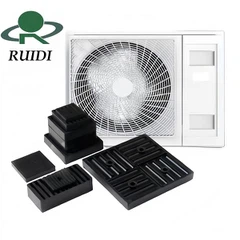
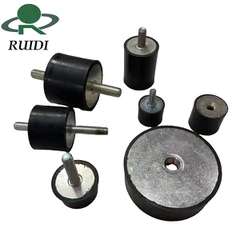
Type selection: Depending on the function, distinguish between heavy-duty fixed pipe clamps, vibration dampening pipe clamps, guide pipe clamps, or combination pipe clamps. Vibration damping types usually have built-in high-damping rubber, which can effectively isolate vibration and noise at different frequencies.
2. Ease of installation and maintenance
Humanized design: Examine whether it is easy to install and adjust in a narrow space, whether there is a clear recommendation for bolt fastening torque, and whether it can be maintained without disassembling the main body.
Environmental resistance: Confirm whether the overall (metal vs. rubber) performance in terms of corrosion resistance, UV resistance, salt spray resistance, etc. is suitable for the installation environment (e.g., offshore platforms, chemical wet areas).
Summary: Systematic selection injects long-term stability into the project
Selecting high-quality industrial rubber pipe clamps is a systematic technical decision-making process. It requires users to go beyond price comparison, deeply combine the media, temperature, pressure, vibration characteristics and installation environment of their own piping system, and conduct a comprehensive evaluation from the three dimensions of material structure, performance certification, and system adaptation.
Entrance :product detail
Contract Us
Tianjin Ruidi International Trade Co., Ltd
TEL: +86 189 2034 6230
Email: administrator@rubberproduct.net
Address: Room 3001, Maoye Building, No. 78 Haihe East Road, Hebei District, Tianjin, China