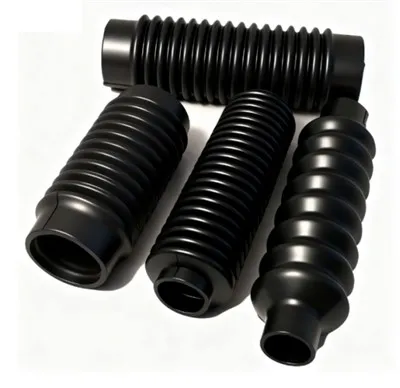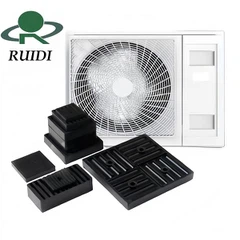
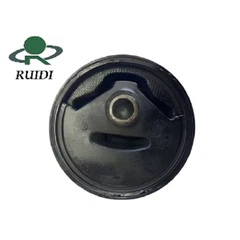
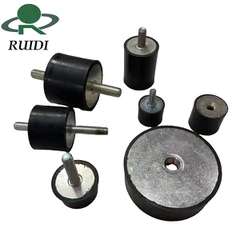
Automotive rubber parts are an integral component of automotive manufacturing, and their performance directly impacts vehicle safety, comfort, and durability. Through long-term production and R&D, we have accumulated extensive experience in material selection, process optimization, and quality control for rubber parts. This experience is crucial for improving the overall quality of vehicles.
First, the material selection for rubber parts is crucial. Automotive rubber products are typically made from natural rubber, styrene-butadiene rubber, chloroprene rubber, or EPDM rubber. Different materials have varying properties, such as heat resistance, oil resistance, and aging resistance. For example, engine compartment rubber parts require high-temperature and oil-resistant fluororubber or hydrogenated nitrile rubber, while sealing strips are often made from EPDM rubber to ensure excellent weather resistance and elasticity. Therefore, appropriate material selection based on specific application scenarios is essential for ensuring the long-term and stable performance of rubber parts.
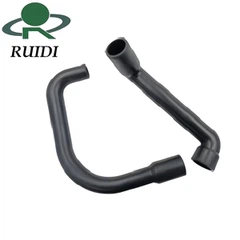
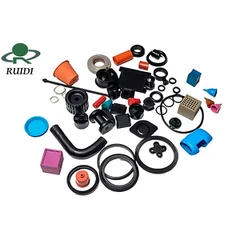
Second, the production process for rubber parts directly impacts their final performance. Common processing methods include molding, extrusion, and injection molding. Molding is suitable for seals with complex structures, while extrusion is often used to produce long rubber parts such as boots and hoses. During the vulcanization process, controlling temperature, pressure, and time is crucial. Improper vulcanization conditions can lead to problems such as bubbles, cracking, or uneven hardness in rubber parts. Therefore, optimizing vulcanization process parameters and combining them with finite element analysis (FEA) to simulate stress distribution within rubber parts can effectively improve product reliability and service life.
In addition, quality control is a core component of rubber part production. Rubber parts undergo rigorous physical property testing, such as tensile strength, compression set, and ozone aging resistance, to ensure they meet industry standards. Furthermore, non-destructive testing techniques, such as ultrasonic testing or X-ray inspection, can detect internal defects and further enhance product consistency. During mass production, establishing a comprehensive quality traceability system and rigorously inspecting each batch of rubber parts can effectively reduce defect rates and ensure overall vehicle performance.
In short, the R&D and production of automotive rubber parts require comprehensive consideration of multiple factors, including materials science, process optimization, and quality control. Only by continuously accumulating experience and optimizing production processes can we produce high-performance, highly reliable rubber parts, providing strong support for the advancement of the automotive industry.