


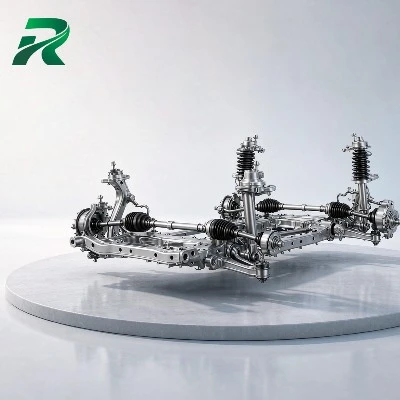

As the only part of a vehicle that contacts the road, the performance of automotive rubber tires directly impacts driving safety, comfort, and service life. Different operating environments place varying demands on tires, including temperature, road conditions, load, and driving speed. This article will explore the applicability of rubber tires and their key performance requirements based on a variety of typical environments.
Normal Temperature Dry Road Environment
On dry asphalt or concrete roads in temperate or tropical regions, tires face primary challenges from friction, wear, and high temperatures. In these environments, tires must exhibit excellent wear and tear resistance while maintaining stable grip. Summer tires (also known as conventional tires) are a common choice for these environments. Their rubber formula remains soft at room temperature, ensuring effective braking on both wet and dry roads. Furthermore, the tread design must balance water drainage with wear resistance to extend service life.
Low Temperature Icy and Snowy Road Environment
In cold regions or during winter, low temperatures cause rubber to harden, significantly reducing grip. Icy and snowy roads require tires with enhanced flexibility and traction, making winter tires (snow tires) essential. These tires utilize a special rubber formula that maintains flexibility even at low temperatures, and their dense sipe pattern enhances their ability to bite into snow. Studded tires also provide additional grip in extreme snow and ice conditions, but they may damage the road surface, and their use is generally restricted by regulations.
High Temperature and Humidity
The high temperature and humidity in tropical and subtropical regions place higher demands on tires for heat resistance and aging resistance. Sustained high temperatures can soften the rubber, increasing the risk of blowouts, while frequent rainfall tests the tire's ability to dissipate water. High-performance summer or all-season tires perform better in these conditions, as their deep tread and drainage grooves effectively reduce hydroplaning. Tire pressure management is also crucial, as high temperatures can easily lead to increased pressure, requiring regular inspection to avoid safety hazards.
Rugged Off-Road Environments
Unpaved roads (such as gravel, mud, and mountainous terrain) place extremely high demands on tire durability and roadworthiness. Off-Road tires typically feature large treads and reinforced sidewalls to handle sharp rocks, deep potholes, and muddy terrain. These tires have a higher rubber hardness, offering greater cut and puncture resistance, but at the expense of some on-road comfort and fuel efficiency. All-Terrain tires, on the other hand, strike a balance between off-road and urban use, making them suitable for occasional light off-roading.
High-Speed Driving Environments
Extended high-speed driving, such as on highways, places stringent demands on tire heat dissipation, stability, and durability. High-Speed tires typically feature a lightweight design and optimized carcass structure to reduce the effects of centrifugal forces at high speeds. These tires have shallower treads to reduce rolling resistance and improve fuel efficiency, but their wet performance may be relatively weak. Drivers should select tires that meet standards (such as V, W, or Y speed ratings) based on their vehicle speed and avoid excessive speeding that could cause tire overheating.
Automotive rubber tires are used in a variety of environments, and their performance must be tailored to the specific application. From dry roads at room temperature to extreme icy and snowy conditions, from urban highways to rugged off-road terrain, tire design, materials, and tread patterns all require targeted optimization. Users should select the appropriate tire type based on their actual needs and perform regular maintenance to ensure driving safety. In the future, with advances in materials science, tires' adaptability to extreme environments is expected to be further enhanced.


