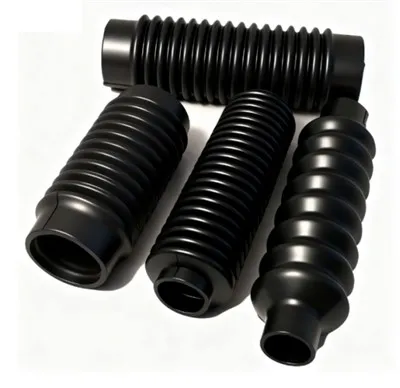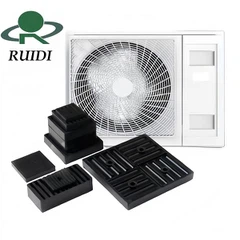
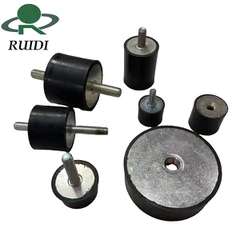
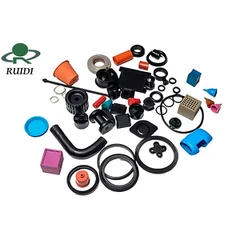
Rubber components, including seals, gaskets, vibration pads, hoses, and custom molded rubber parts, are indispensable consumables in industrial machinery, automotive, chemical, construction, and hydraulic systems. Despite their simple appearance, rubber parts directly determine equipment tightness, operational stability, and maintenance frequency. Premature failure such as cracking, swelling, hardening, leakage, and deformation often leads to unplanned downtime, increased maintenance costs, and even equipment safety hazards.
For mechanical engineers, project designers, and international procurement specialists, understanding the root causes of rubber failure is the most effective way to extend component service life and control project costs. This article summarizes the 7 most common rubber failure modes in industrial scenarios, analyzes core causes, and provides practical selection, installation, and storage tips for global buyers.
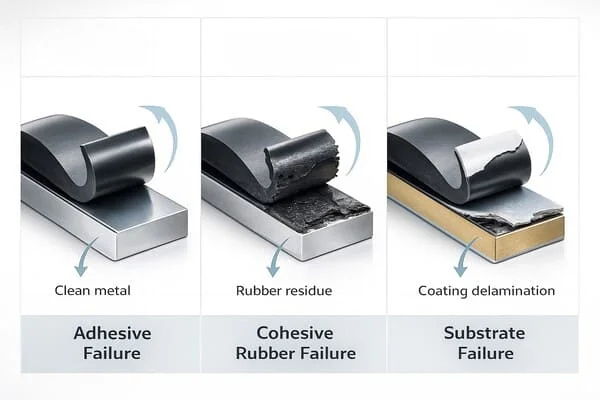
1. Material Mismatch (The No.1 Cause of Premature Failure)
-
EPDM rubber used in oil contact environments: EPDM has poor oil resistance and will swell, soften, and lose sealing performance rapidly when exposed to mineral oil, gasoline, and hydraulic oil.
-
NBR rubber used for outdoor long-term use: NBR lacks ozone and UV resistance, prone to surface cracking and aging under sunlight and atmospheric exposure.
-
Ordinary rubber applied to high-temperature and corrosive conditions: Cannot withstand extreme temperature and chemical erosion, resulting in brittle fracture and leakage.
2. Thermal Aging & High-Temperature Degradation
Temperature is one of the biggest factors affecting rubber service life. Long-term high-temperature operation will break the molecular cross-linking structure of rubber, causing the material to gradually harden, lose elasticity, and finally crack or flatten. Low-temperature overcooling will also make rubber brittle and easy to break under slight pressure.
Failure manifestations: Hardening, permanent compression set, surface fine cracks, loss of flexibility.
Key reference temperature range
NBR: -40°C ~ 100°C
EPDM: -50°C ~ 150°C
FKM: -20°C ~ 250°C
Butyl Rubber: -40°C ~ 120°C
Prevention tip: Never exceed the long-term allowable working temperature of the rubber material. For continuous high-temperature equipment, prioritize FKM high-temperature resistant rubber to avoid frequent replacement.
3. Ozone & UV Weathering Aging
Outdoor equipment, construction facilities, and exposed mechanical parts are continuously eroded by ultraviolet rays and atmospheric ozone. Unsaturated rubber materials such as NBR and natural rubber are extremely sensitive to ozone and UV radiation. Even under normal temperature and pressure, invisible microcracks will appear on the rubber surface, which will gradually expand and cause overall fracture with long-term vibration and tension.
Failure manifestations: Regular surface cracks, fading, brittle peeling.
Prevention tip: For all outdoor and open-air working conditions, uniformly select EPDM rubber with excellent ozone and UV resistance, which can extend the service life by 3–5 times compared with ordinary rubber.
4. Chemical Corrosion & Liquid Swelling
Industrial rubber parts often contact various liquids such as lubricating oil, fuel, acid-base solution, and cleaning agents. Different rubber materials have completely different resistance to chemical media. When the rubber absorbs incompatible liquid, volume expansion, weight increase, softening and deformation will occur, leading to seal failure and equipment leakage. In severe cases, the rubber will be dissolved and damaged.
Prevention tip: For chemical, pharmaceutical, and petrochemical equipment with complex media, choose FKM fluororubber with comprehensive chemical resistance. For conventional water and steam environments, EPDM is the most cost-effective option.
5. Unreasonable Installation & Mechanical Stress Damage
Many rubber failures are caused by human installation errors rather than material quality defects. Excessive compression, forced assembly, uneven stress, and excessive stretching will cause permanent deformation and local cracking of rubber parts. In addition, improper groove design and excessive assembly gap will lead to stress concentration on the rubber edge, accelerating fatigue damage.
Common installation errors
Over-compression leading to permanent compression set
Forced assembly causing surface scratch and crack
Misalignment leading to unilateral friction and wear
Prevention tip: Follow standard assembly parameters, avoid excessive extrusion and forced installation. Customize rubber part size and hardness according to equipment groove parameters to ensure uniform stress.
6. Poor Raw Material & Unqualified Production Process
Low-cost inferior rubber products often use recycled rubber materials, insufficient curing agent, and unreasonable formula ratio. Such products have unstable molecular structure, poor tensile and tear resistance, and are prone to aging, deformation and fracture in a short time even under standard working conditions.
In addition, unprofessional vulcanization processes (insufficient or excessive vulcanization) will also lead to poor rubber elasticity and low durability.
Prevention tip: For industrial core equipment, avoid ultra-low-cost recycled rubber products. Cooperate with regular manufacturers who use pure raw rubber materials and complete vulcanization processes to ensure stable batch performance.
7. Improper Storage & Long-Term Idle Aging
Rubber parts will also age naturally during storage. Long-term exposure to air, light, and high-temperature and humid environment will cause oxidation and aging of spare rubber parts. Many buyers ignore storage specifications, resulting in new parts failing directly after installation.
Prevention tip: Store rubber products in a cool, dry, dark and ventilated environment, avoid extrusion deformation, and stay away from oil, chemicals and high-temperature heat sources.
Final Conclusion
90% of industrial rubber premature failures are predictable and avoidable. Material mismatch, environmental erosion, improper installation, and unqualified processes are the four core root causes. Accurate material selection, standardized installation, and scientific storage can maximize the service life of rubber components and reduce equipment operating costs.
Core Buying & Selection Checklist for Engineers
-
Confirm working conditions first: Clarify medium (oil/water/corrosion), temperature, indoor/outdoor environment, static/dynamic friction.
-
Match accurate rubber material: Select NBR/EPDM/FKM/Butyl rubber according to actual working conditions, do not use universal rubber blindly.
-
Standard size & hardness customization: Match equipment installation parameters to avoid stress damage caused by size mismatch.
-
Control production quality: Prioritize manufacturers with stable raw materials and mature processes, and ask for material test reports if necessary.